
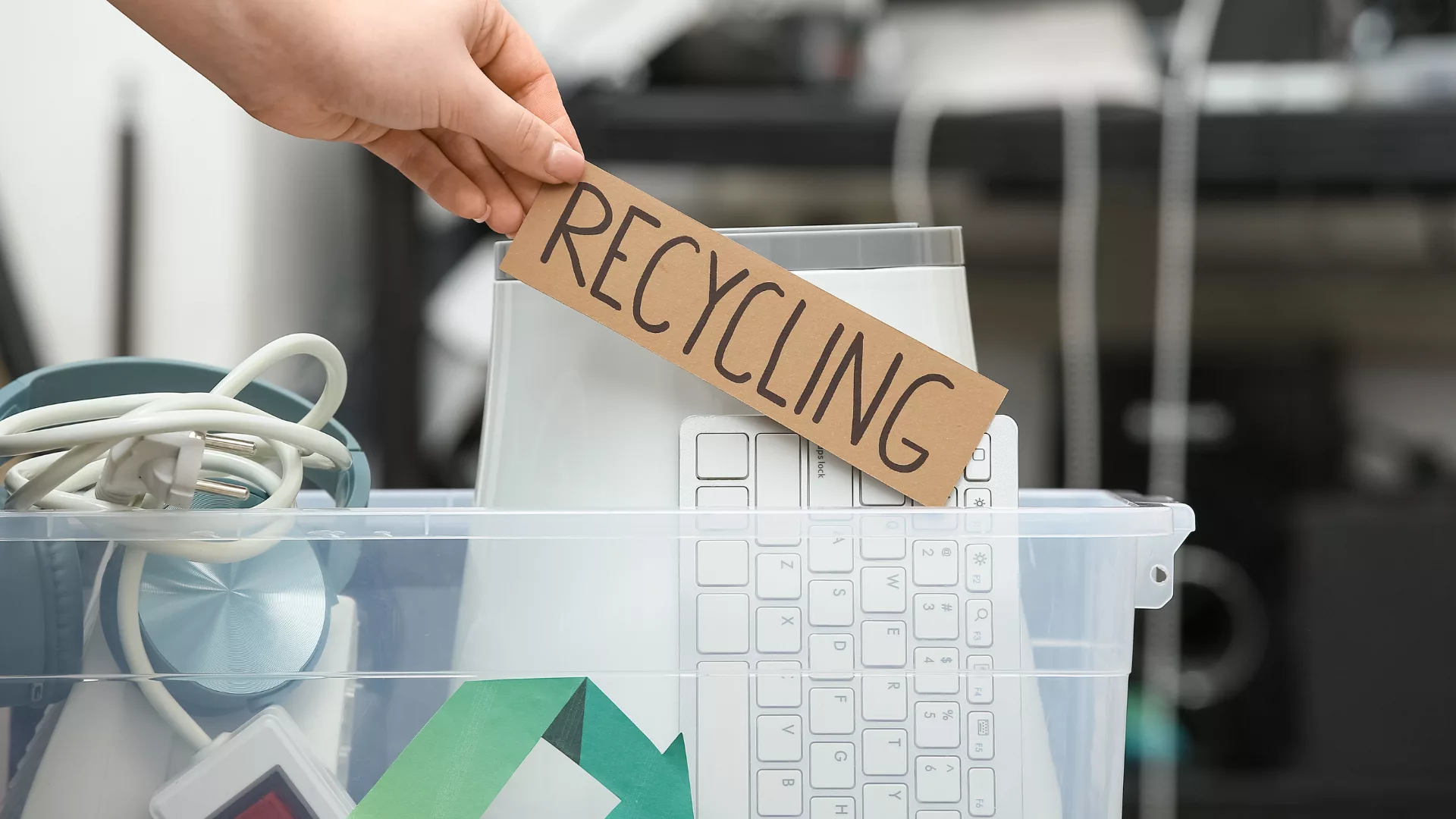
E-Waste draws global attention to the urgent challenge of electronic waste and the need for sustainable solutions that reduce environmental harm and recapture value from used products. In 2022 alone, the world generated a record of 62 million tonnes of e-waste, yet only about 22 % of it was properly collected and recycled, highlighting a growing crisis in managing this fast-expanding waste stream.
The Global E-Waste Crisis
Electronic waste (e-waste) refers to discarded electrical and electronic products such as smartphones, laptops, tablets, and other devices once they reach the end of their useful life. E-waste is now one of the fastest growing waste streams in the world, driven by rapid technological turnover, shorter product lifespans, and high consumption.
In 2022, an estimated 62 million tonnes of e-waste were generated globally, yet only about 22.3% of that stream was formally collected and recycled.
At the current trajectory, global e-waste is expected to reach around 82 million tonnes by 2030, rising roughly 32% from today’s levels, unless recycling and reuse efforts scale significantly.
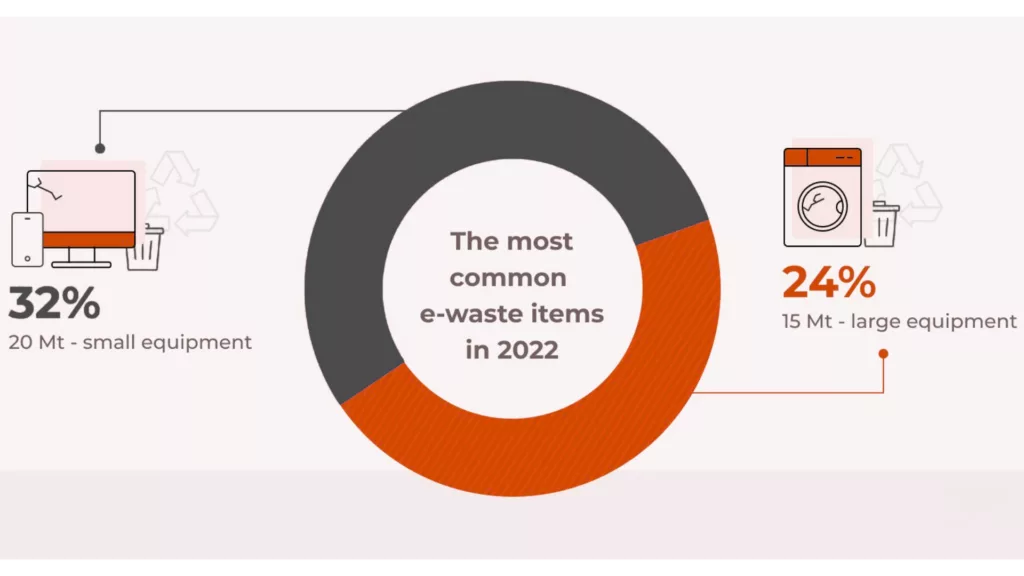
E-waste contains hazardous materials such as mercury, lead, and cadmium, which can harm ecosystems, pollute soil and water, and pose serious health risks especially where informal recycling practices prevail.
Why E-Waste Matters
E-waste is one of the fastest-growing waste streams in the world. In 2022, the world generated 62 million tonnes of electronic waste, yet only 22.3% was formally collected and recycled.
This matters because e-waste is not just “trash.” It contains valuable resources such as gold, copper, aluminum, and rare metals.
When devices are dumped or left unused instead of being recovered, these materials are lost. This wastes economic value and increases the demand for new mining and extraction.
At the same time, improper disposal can create serious environmental and health risks. This is especially true in regions with limited waste infrastructure.
Burning, dismantling, or dumping electronics can release toxic substances that pollute soil, air, and water. These pollutants put communities at risk.
Addressing e-waste is therefore essential not only through better recycling systems, but also through reuse, repair, and redistribution strategies. These strategies extend the life of electronic products and reduce the amount of waste produced.
Circular Economy: Reuse Before Recycling
To tackle e-waste, the world must shift from a linear “take–make–dispose” model to a circular economy, keeping products and materials in use longer.
B2B resale and professional recommerce systems help redirect excess, returned, or unsold products to new users instead of discarding them.
These platforms allow businesses to unlock value from surplus inventory, extend product lifecycles, and cut landfill waste.
How Ozeol Helps
Ozeol helps businesses manage excess and unsold stock through professional B2B resale, preventing products from being destroyed or wasted.
By connecting sellers with a global network of B2B buyers, Ozeol extends product lifecycles, reduces e-waste, and recovers value from existing goods.
By handling resale complexityfrom market access to logistics Ozeol enables companies to support circular economy goals while turning excess inventory into opportunity.
Ozeol’s Role in Sustainable B2B Clearance
Ozeol is a global leader in surplus inventory solutions. It helps businesses manage and resell excess stock, including electronics.
Founded in 2010, Ozeol operates internationally to help companies offload unsold, excess, or end-of-line inventory. This gives products a second life and prevents premature destruction or disposal.
Through sustainable destocking and redistribution practices, Ozeol helps businesses:
- Minimize waste by keeping products in circulation rather than in landfills.
- Extend product lifecycles by selling excess goods into secondary markets where they can be reused.
- Reduce environmental impact by avoiding unnecessary production and disposal.
Ozeol’s sustainable destocking is part of a broader circular economy strategy that reduces waste and supports resource efficiency, giving inventory a new purpose and minimizing the environmental footprint of unsold good.

Making Every Device Count
International E-Waste Day highlights the urgent need to recover critical materials and rethink how electronics are managed throughout their lifecycle.
While recycling remains essential, prioritizing reuse and redistribution through B2B resale platforms is very effective. It slows e-waste growth and supports a sustainable future.
By embracing circular economy strategies, businesses, buyers, and consumers can reduce environmental impact. They also create economic value and make every device count.
 Chinese
  English
  Spanish