
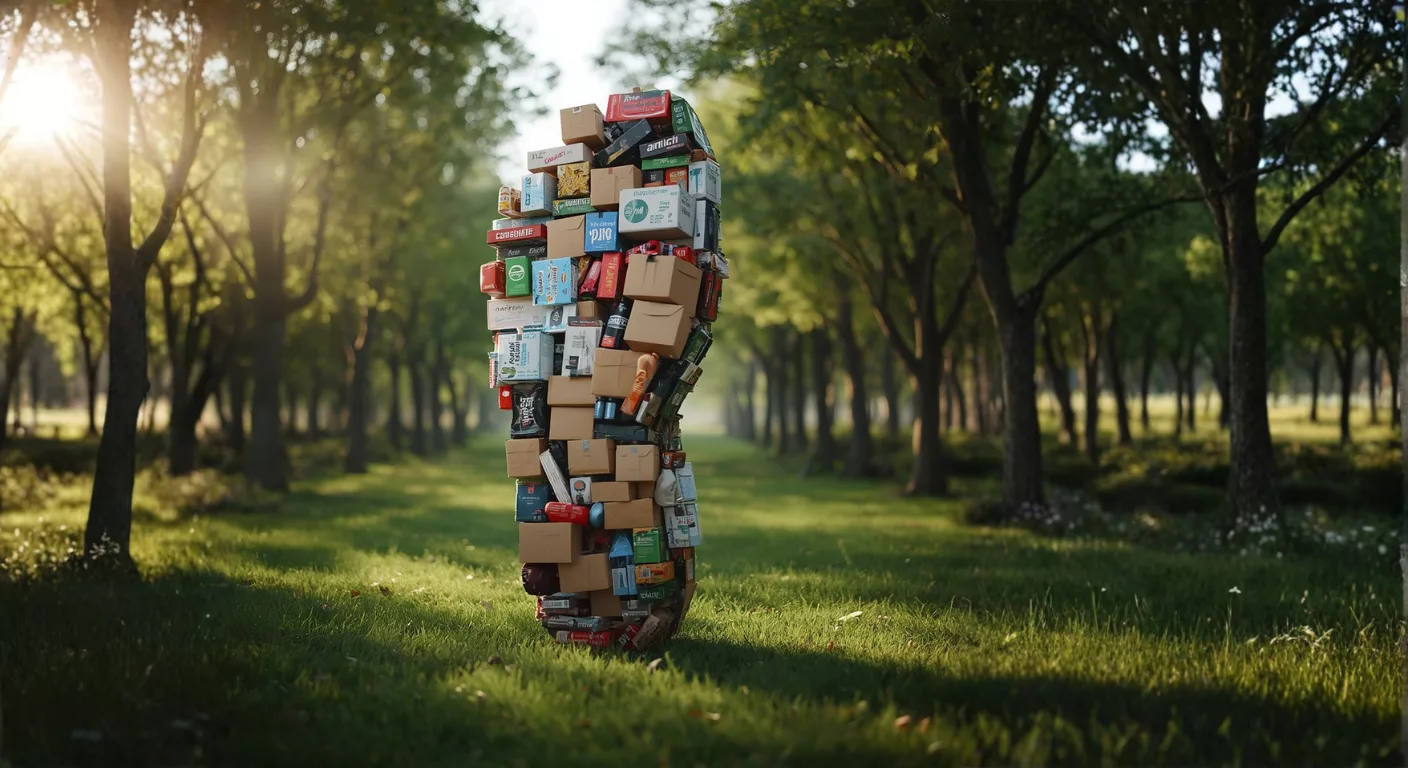
That pallet of unsold stock sitting in your warehouse? It’s not just a cash-flow problem. It’s a carbon problem too.
Every product that gets made and never used carries the full environmental cost of its production, energy, water, and raw materials. When it ends up in a landfill, all of it that goes to waste it.
The numbers behind the waste
For most businesses, supply chain emissions—known as Scope 3 emissions represent the largest share of their carbon footprint, often accounting for 70% to 90% of total emissions.
While these emissions occur outside a company’s direct operations, businesses are facing growing pressure from customers, investors, and regulators to measure, report, and reduce them.
That’s not just a regulatory trend. Since 2025, the EU’s Corporate Sustainability Reporting Directive (CSRD) requires companies to disclose their Scope 3 figures. Investors, customers, and procurement teams are reading those numbers.
When unsold goods get destroyed or discarded, those embedded emissions show up on your ledger, and there’s nothing to offset them.
Where Ozeol comes in
Ozeol is a global B2B clearance specialist.
The model is straightforward: instead of letting surplus stock go to waste, Ozeol buys it and finds it a new home.
That means overstock, seasonal products, cancelled orders, discontinued ranges, connected to buyers across 30+ countries through 12 international offices.
The environmental logic is simple. When a product is rerouted instead of destroyed, the resources and emissions invested in its production continue to create value.
No additional manufacturing is needed, making it a more sustainable and cost-effective solution.
The numbers speak for themselves:
- One reused smartphone saves approximately 64kg of CO2 and keeps 200g of e-waste out of landfill
- Reusing a standard electrical cabinet can save between 250 and 400kg of CO₂ emissions
- Across thousands of pallets, these savings accumulate into thousands of tonnes of avoided carbon emissions
ESG is now a procurement requirement
This isn’t just about compliance. It’s about commercial advantage.
ESG « Environmental, Social, and Governance » is the lens through which suppliers are now being evaluated.
81% of procurement leaders now say ESG factors influence their purchasing decisions. Businesses with weak sustainability credentials risk losing contracts as buyers place greater emphasis on responsible sourcing.
Companies that can show measurable progress on waste reduction and emissions management aren’t just ticking a box, they’re winning business. That’s why more companies are choosing Ozeol to give surplus inventory a second life while supporting their sustainability goals.
The circular economy case
Ozeol’s entire model is built around one idea: products should be used, not wasted.
Circular economy extend life, reduce waste, recover value. It’s the logic we operate by every day.
There’s talk of major economic gains from circular shifts on the horizon, but we’re not waiting around.
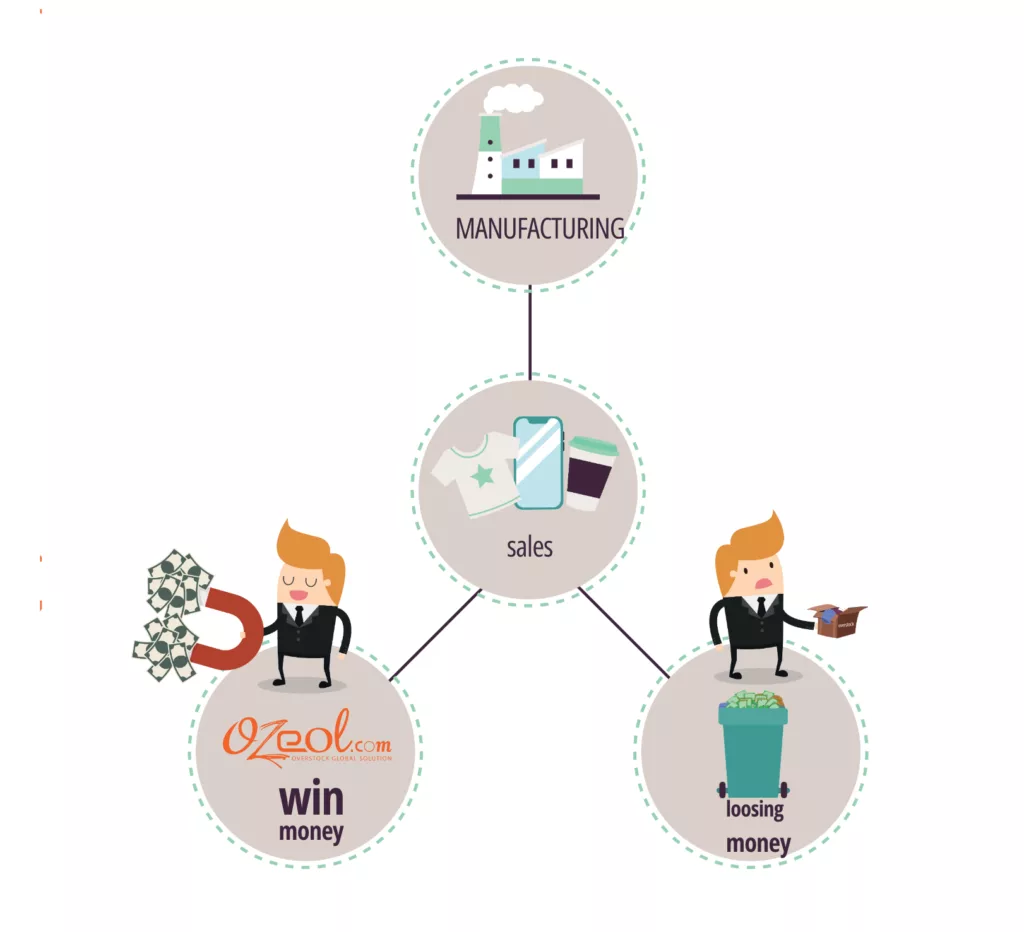
We partner with businesses that get it, because for us, circularity only works when everyone’s pulling in the same direction.
And while the conversation is just starting for many, we’ve been living it from day one.
This isn’t a pivot, it’s our foundation, which is exactly why we design our services to help your business waste less and retain more value, seamlessly.
What you actually gain
Partnering with Ozeol to clear surplus inventory delivers on multiple front:
- Free up warehouse space and cut storage costs
- Recover cash value from stock that would otherwise be written off
- Reduce Scope 3 emissions , with documentation to back it up
- Improve ESG scores and supplier ratings
- Demonstrate genuine sustainability progress to customers and investors
Turn your surplus into an asset
Clearing overstock isn’t just an operational task. Done right, it’s part of how responsible businesses manage their environmental footprint.
Ready to clear your surplus stock? Contact Ozeol today and turn your overstock into value and your emissions into a story worth telling.
 Chinese
  English
  Spanish